TITLE:
MADJINIS. THE INHABITED BODIES
LOCATION: FRANCE, MAYOTTE
MEDIA: Photographs, interventions on photographs
YEAR: 2022
LOCATION: FRANCE, MAYOTTE
MEDIA: Photographs, interventions on photographs
YEAR: 2022
READ MORE:

CONTEXT
Mayotte is a paradox: a territory deeply tied to France, yet marked by postcolonial neglect. Though it became a French colony in 1843 and remained French when the Comoros gained independence in 1975, its full departmental status only came in 2011, following multiple referendums. The integration brought reforms in justice and healthcare, but socio-economic disparities remain stark compared to mainland France.
Civil unrest in 2018 exposed deep frustrations—a symptom, as anthropologist Sophie Blanchy notes, of “postcolonial governance” that perpetuates social and regional inequalities and violence. In December 2024, Cyclone Chido devastated the island. Though the French state responded with emergency aid, the disaster laid bare Mayotte’s infrastructure vulnerabilities and limited preparedness.
____________________________________
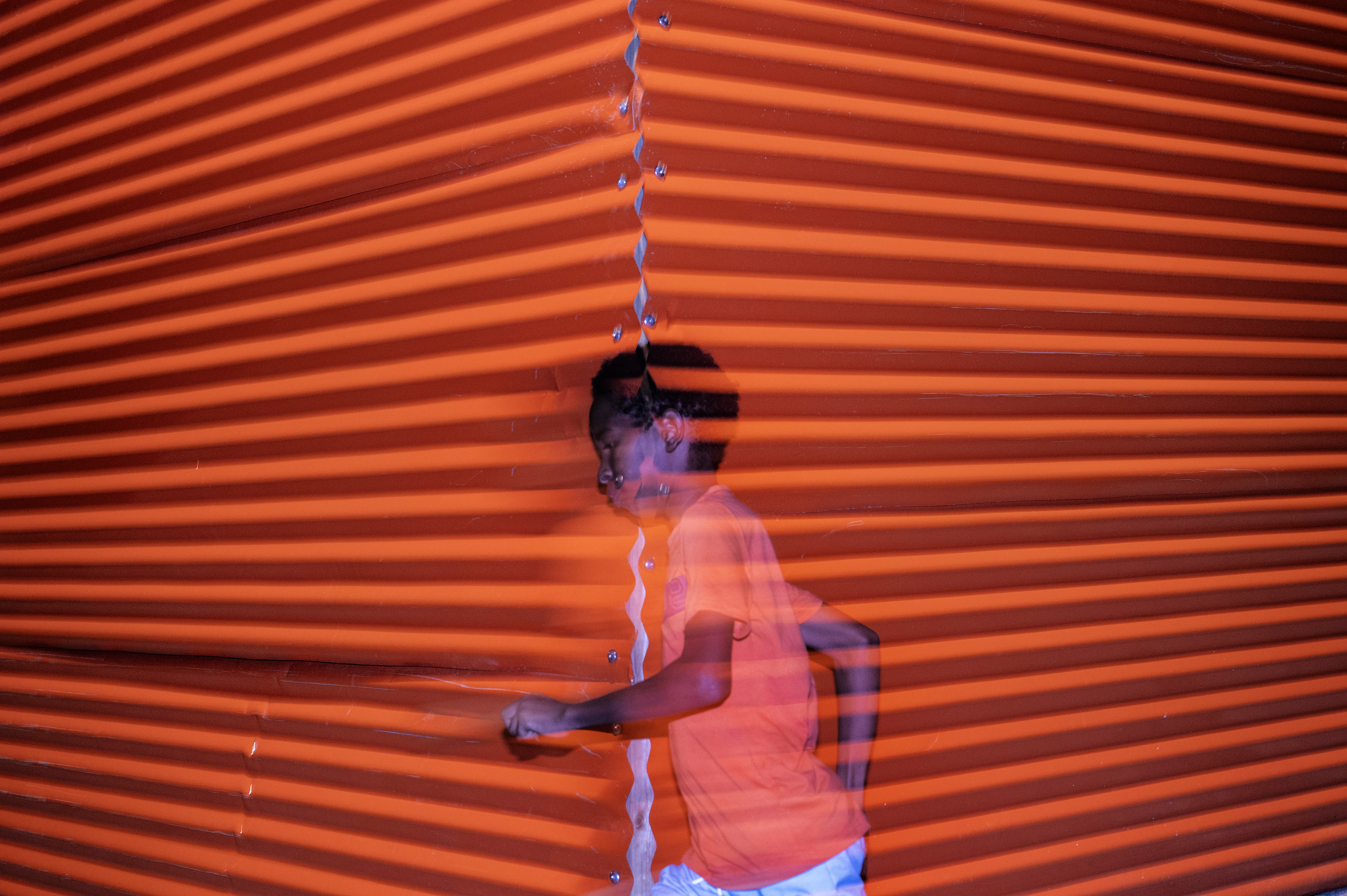
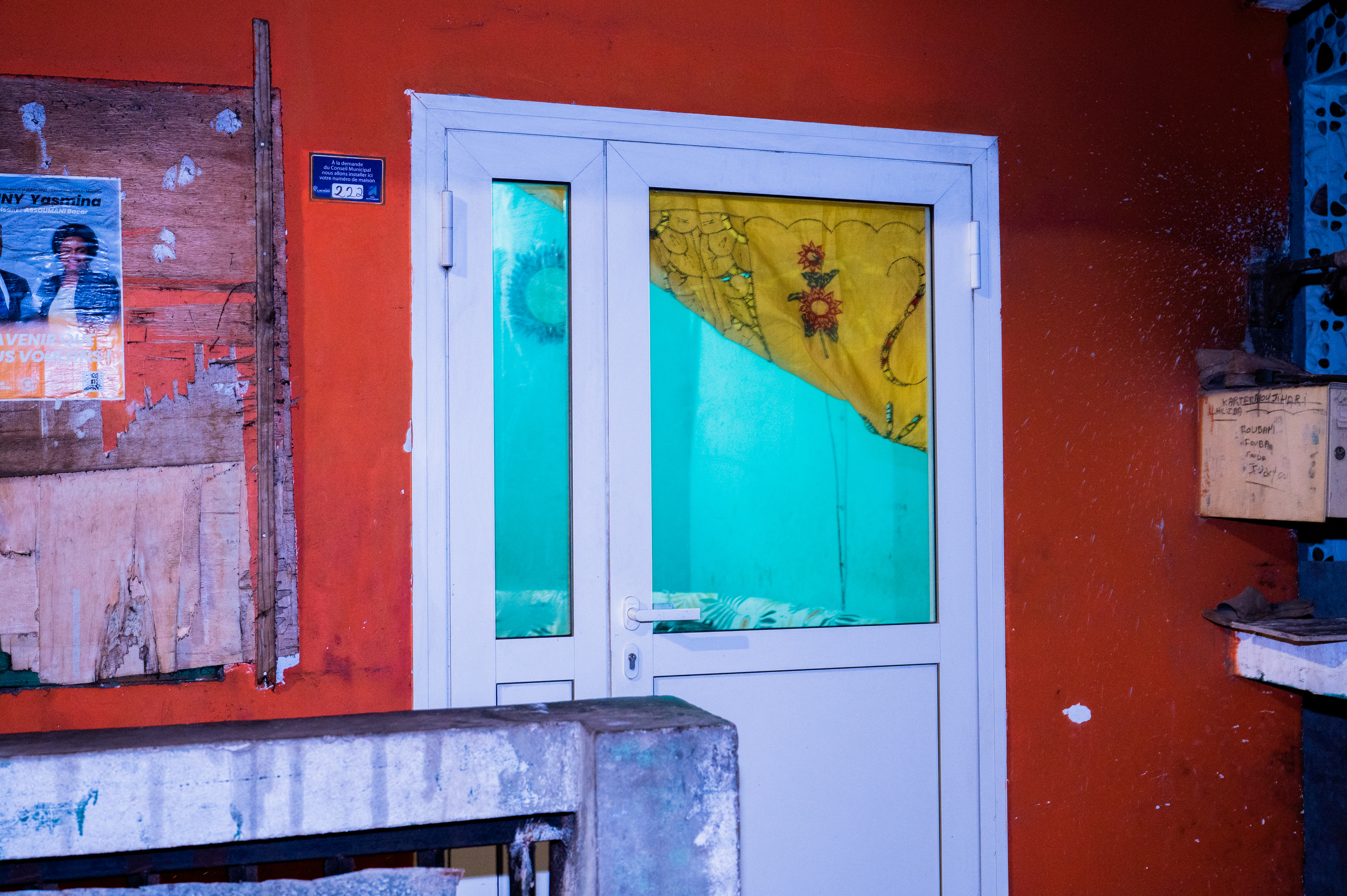
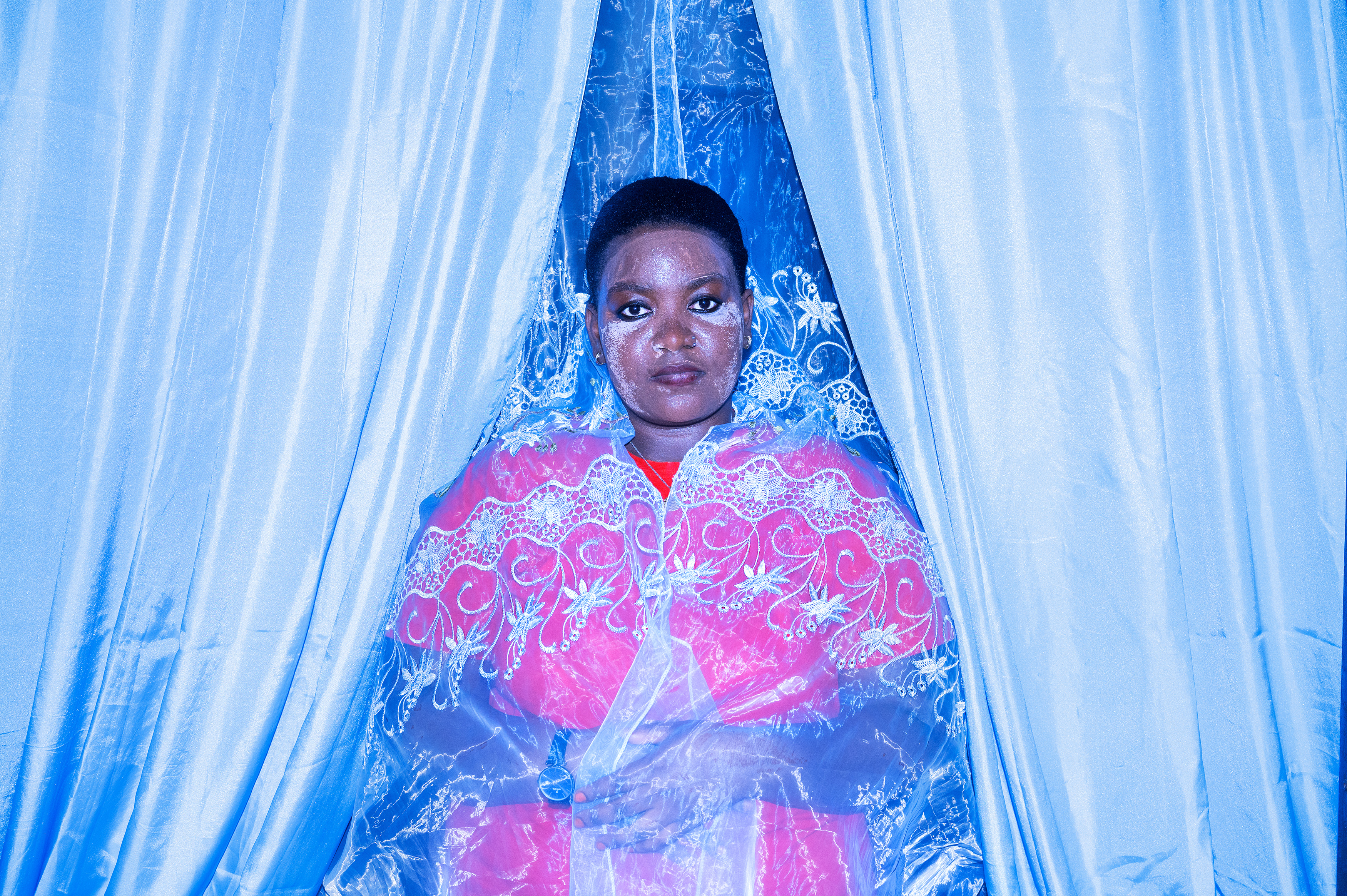
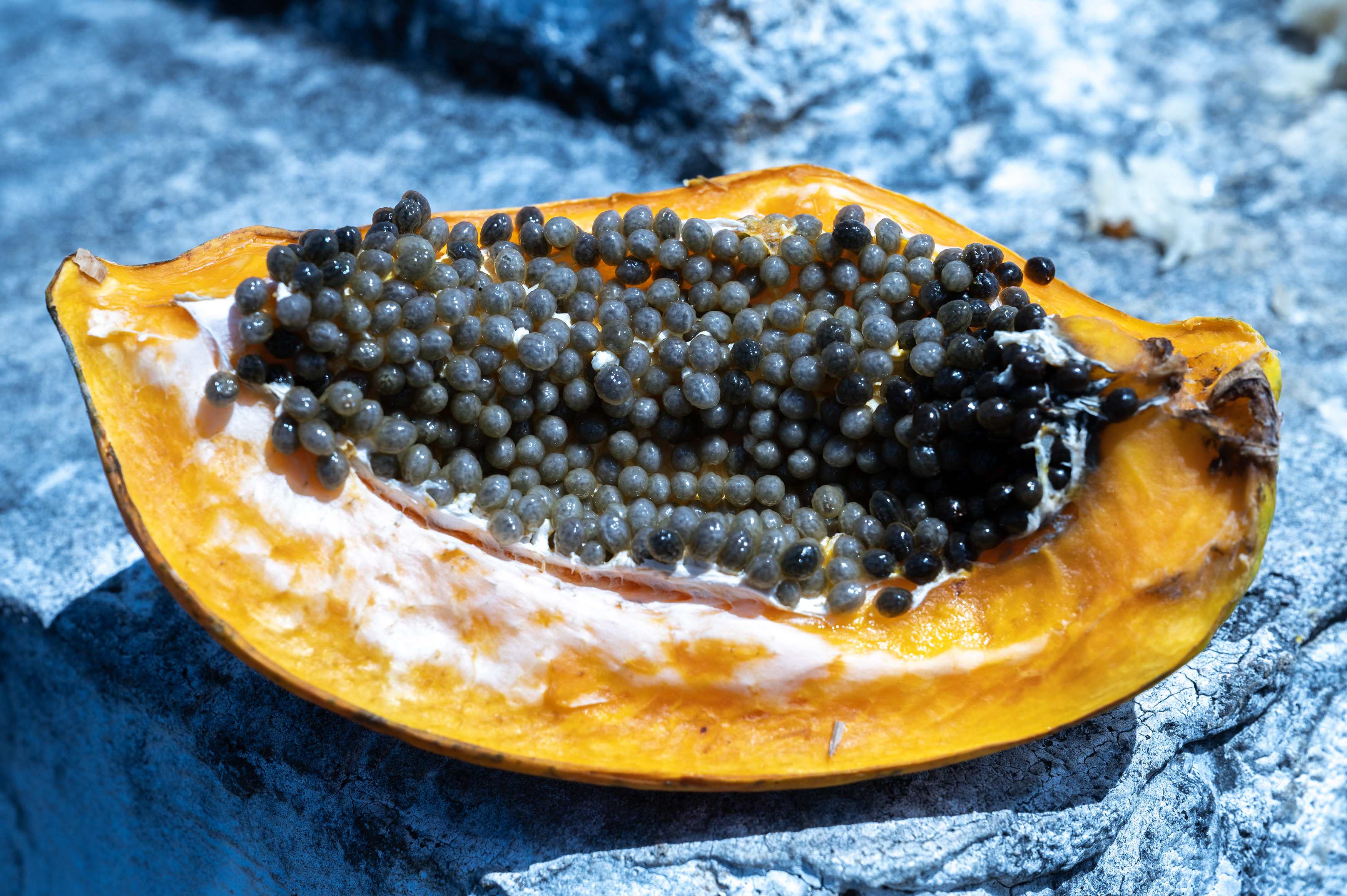
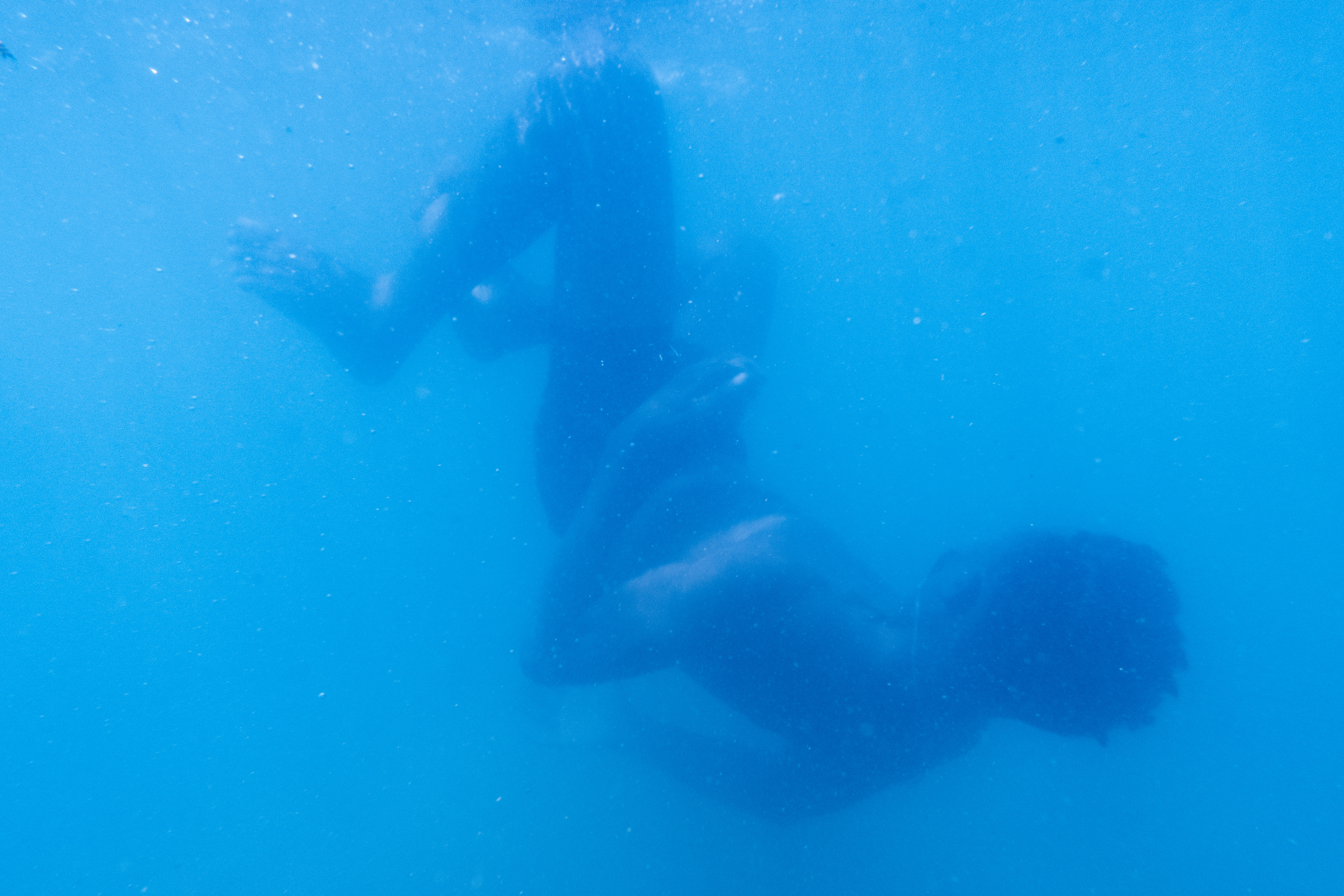
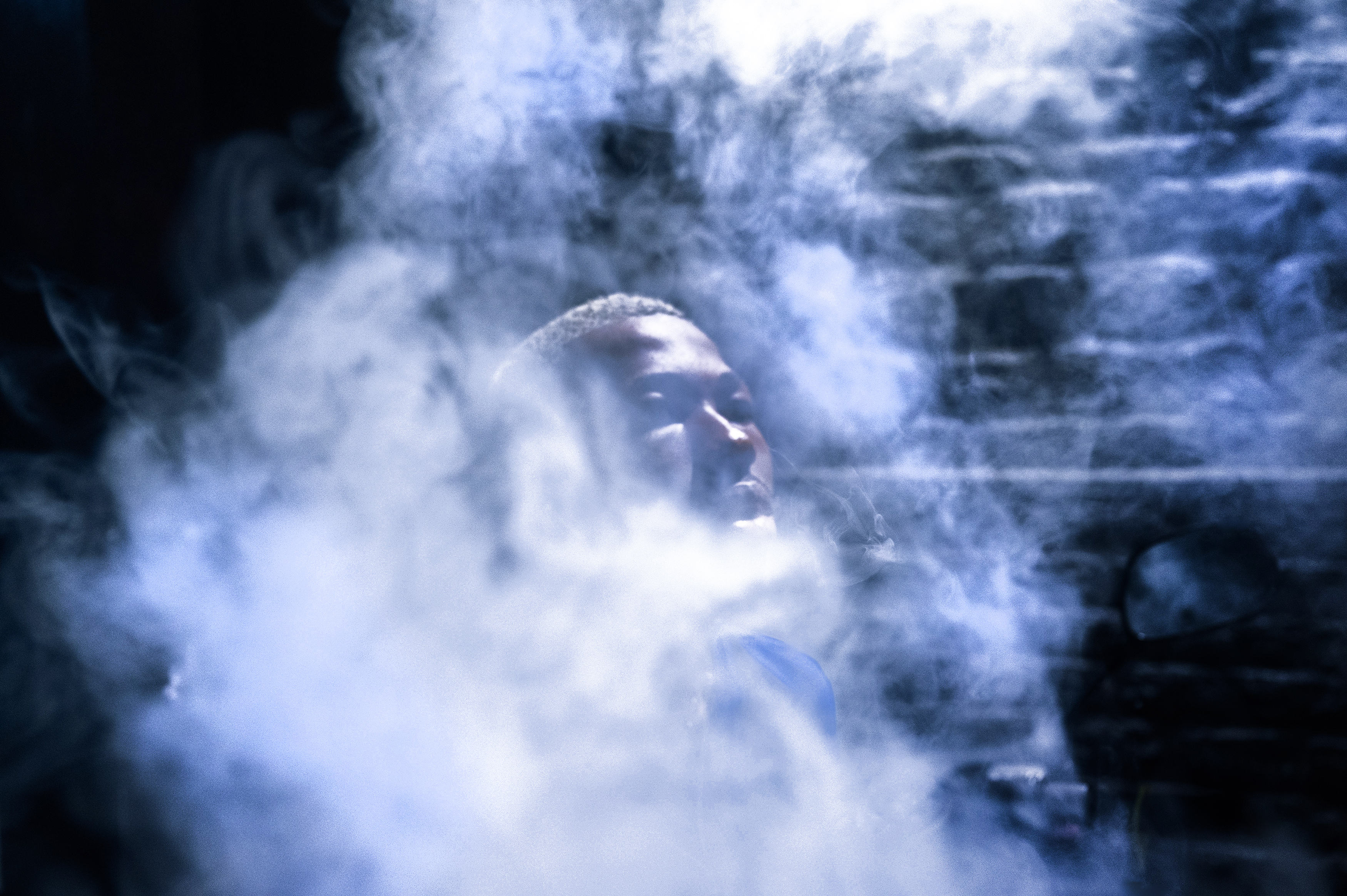
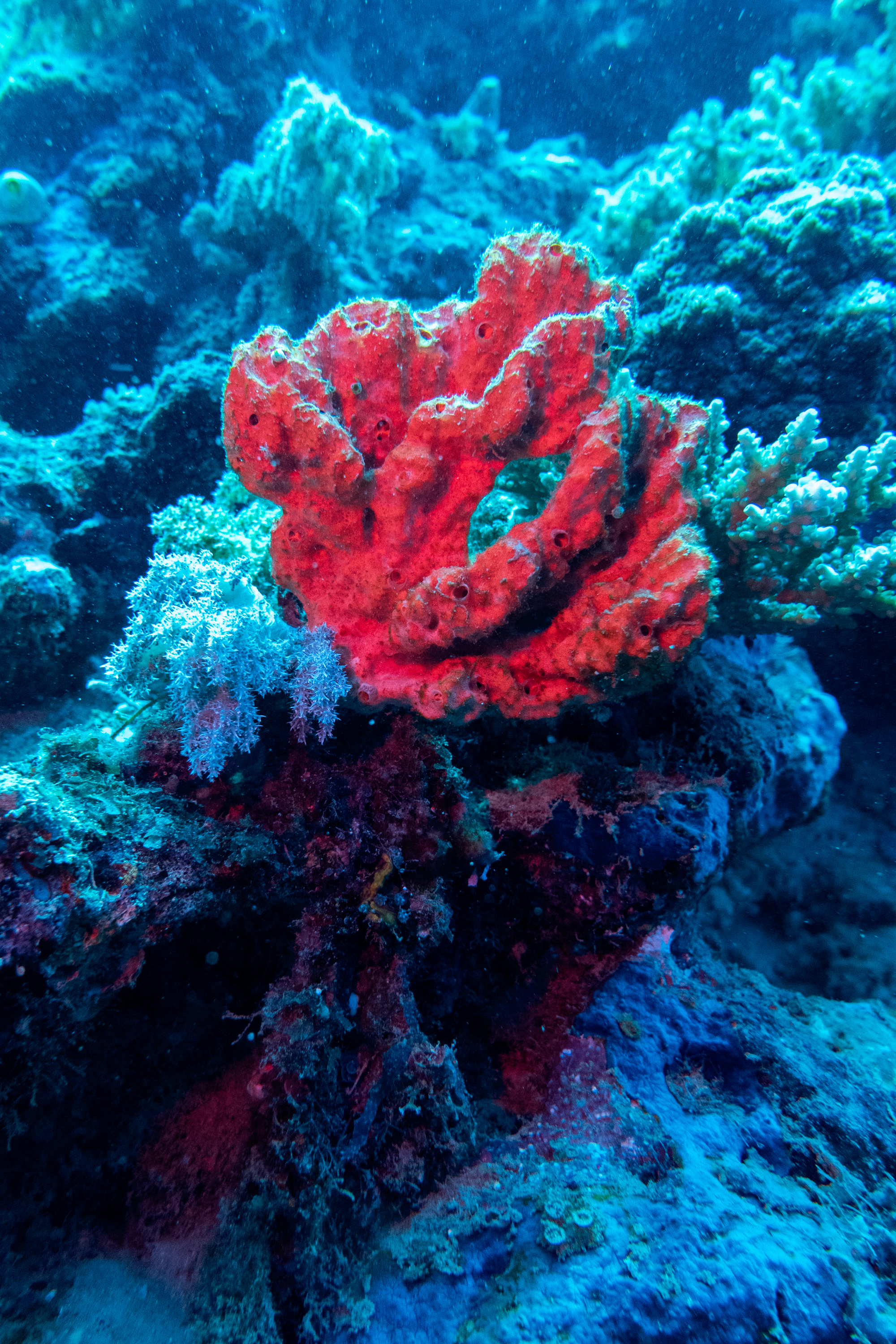
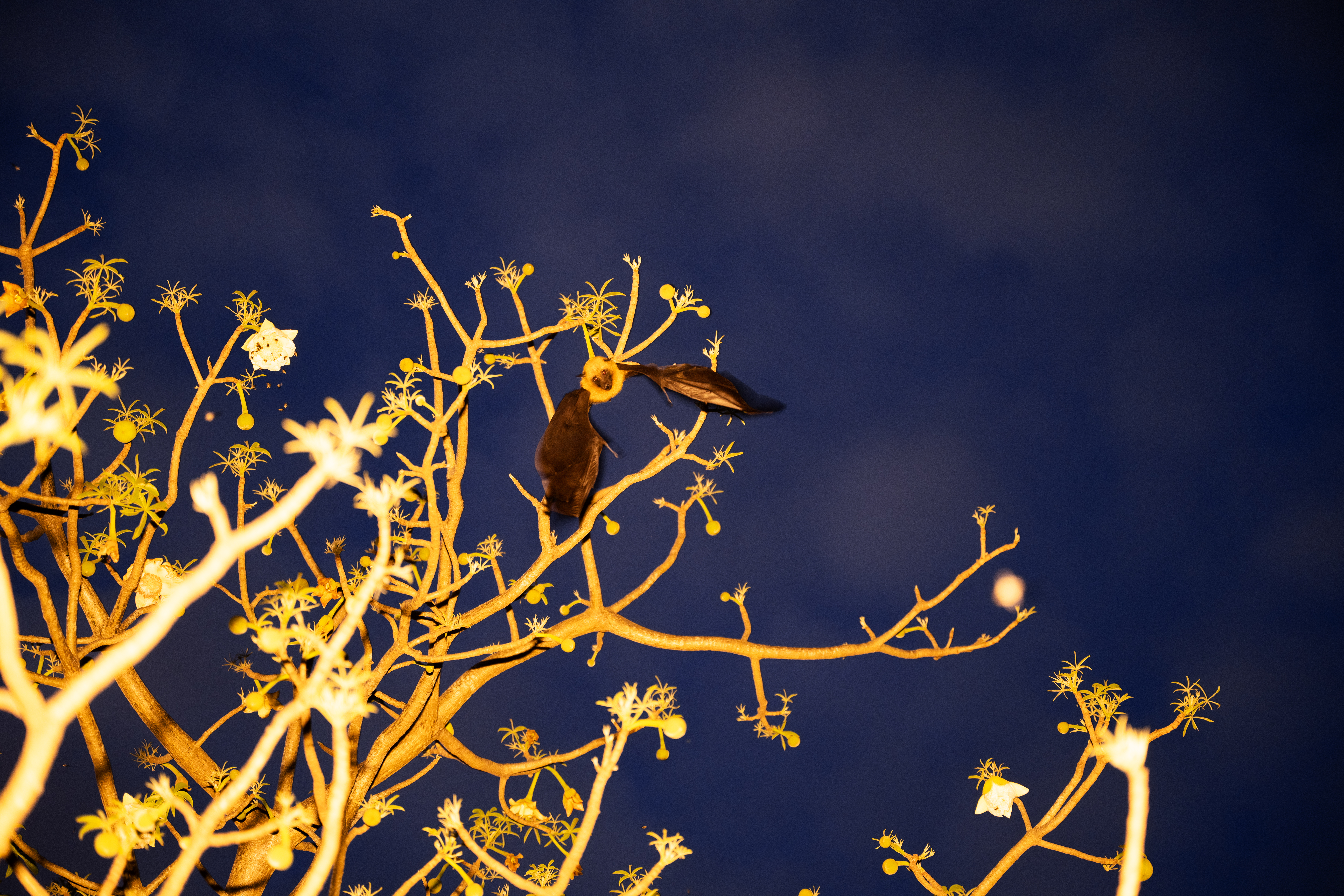
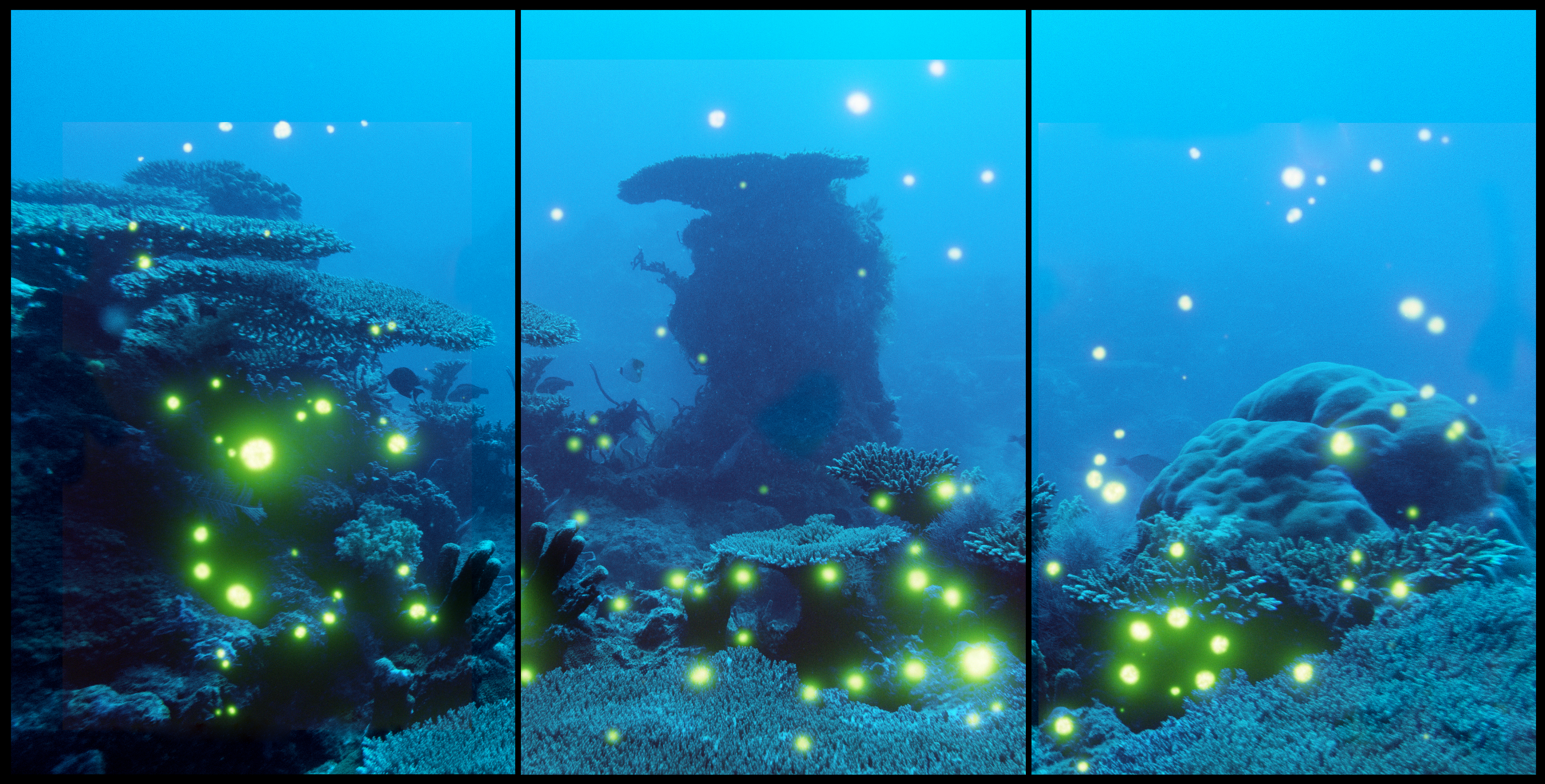
Madjinis – The Inhabited Bodies explores the invisible and imagined in Mayotte. This ultra-peripheral French territory—located between the Indian Ocean and Mozambique Channel—is often reduced to narratives of immigration, poverty, and violence. This project reawakens ancient belief systems—living repositories of resilience—now fading under modernity and French state structures. These cosmologies, far from obsolete, offer critical tools to confront the frag mentation and disorientation of the West..
Mayotte is a paradox: a territory deeply tied to France, yet marked by postcolonial neglect. Though it became a French colony in 1843 and remained French when the Comoros gained independence in 1975, its full departmental status only came in 2011, following multiple referendums. The integration brought reforms in justice and healthcare, but socio-economic disparities remain stark compared to mainland France.
Civil unrest in 2018 exposed deep frustrations—a symptom, as anthropologist Sophie Blanchy notes, of “postcolonial governance” that perpetuates social and regional inequalities and violence. In December 2024, Cyclone Chido devastated the island. Though the French state responded with emergency aid, the disaster laid bare Mayotte’s infrastructure vulnerabilities and limited preparedness.
____________________________________
Madjinis – The Inhabited Bodies explores the invisible and imagined in Mayotte. This ultra-peripheral French territory—located between the Indian Ocean and Mozambique Channel—is often reduced to narratives of immigration, poverty, and violence. This project reawakens ancient belief systems—living repositories of resilience—now fading under modernity and French state structures. These cosmologies, far from obsolete, offer critical tools to confront the frag mentation and disorientation of the West..
My work embraces a contre-champ to a eurocentric view. Through a visual language that both documents and interprets, it invites viewers into a symbolic world where the mineral, the vegetal, animal and human echoe each other—opening space for resistance and, possibly, a paradigm shift.
Influenced by Michael Lambek’s "Knowledge and Practice in Mayotte" and Achoura Boinaïdi’s research on Ziyaras, my photographic practice draws from anthropology. I focus on sacred places and the fundis—figures of spiritual and communal knowledge. The ordinary transforms as well revealing how the spiritual seeps into daily life. Beyond documentation, photography transforms the ordinary it is a poetic and collaborative method, aligned with a 19th century photographic tradition of visualizing the invisible.
In Mayotte, Islam uniquely coexists with cosmologies and spirit-mediumship, shaped by centuries of African and Arab influence. The body—in collaboration with the Kazyadance performers—is a porous vessel expressing historical and intimate trauma, social tension. Each image becomes an opening into the unseen forces shaping this world, and perhaps our own.